
Subcontractors are professionals. They show up, get to work, and push jobs forward under a wide range of conditions.
But there’s something most GCs notice over time – even if it’s rarely said directly:
The conditions on a jobsite can quietly influence how efficiently work gets done.
It’s not usually a conversation. It shows up in pacing, sequencing, and how smoothly a crew can move through their scope.
If access is tight, crews tend to slow down slightly – not because they can’t move faster, but because they’re working more carefully around constraints.
If materials are staged in active work areas, time gets spent repositioning before production even starts.
If debris or leftover material from a previous phase hasn’t been cleared, crews naturally spend more time navigating the space than building in it.
This is why two jobs with similar scopes, similar crews, and similar timelines can finish at very different speeds.
Industry research from organizations like the Construction Industry Institute (CII) consistently points to work environment conditions and site constraints as key drivers of labor productivity variance – even when workforce skill and staffing levels are consistent. In other words, output isn’t just about who is working, but the conditions they’re working in.
Clean, open, and properly staged sites tend to support better flow between tasks. Crews can set up faster, move without interruption, and maintain rhythm throughout the day. When that flow is interrupted, even small inefficiencies compound across the schedule.
Services like scheduled jobsite cleanouts, dumpster rotations, or quick curbside pickups often become part of that rhythm simply because they reduce the time crews spend working around obstacles instead of through their scope.
Over time, those small improvements in flow tend to show up in the schedule: fewer bottlenecks, smoother handoffs, and more predictable progress – but the conditions they’re stepping into can influence how fast the work moves.
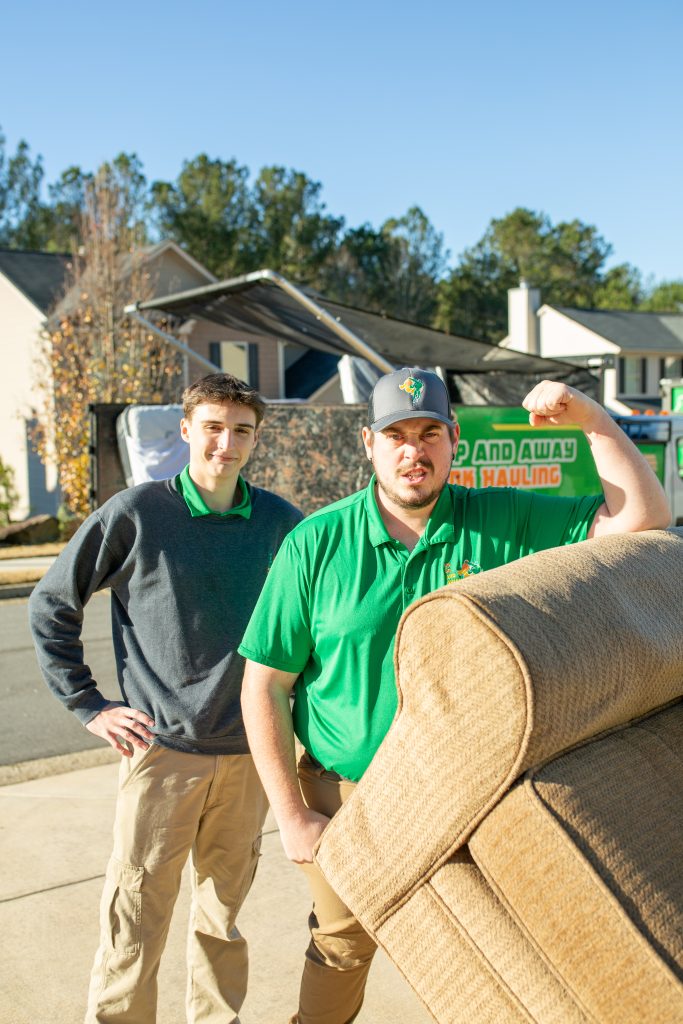

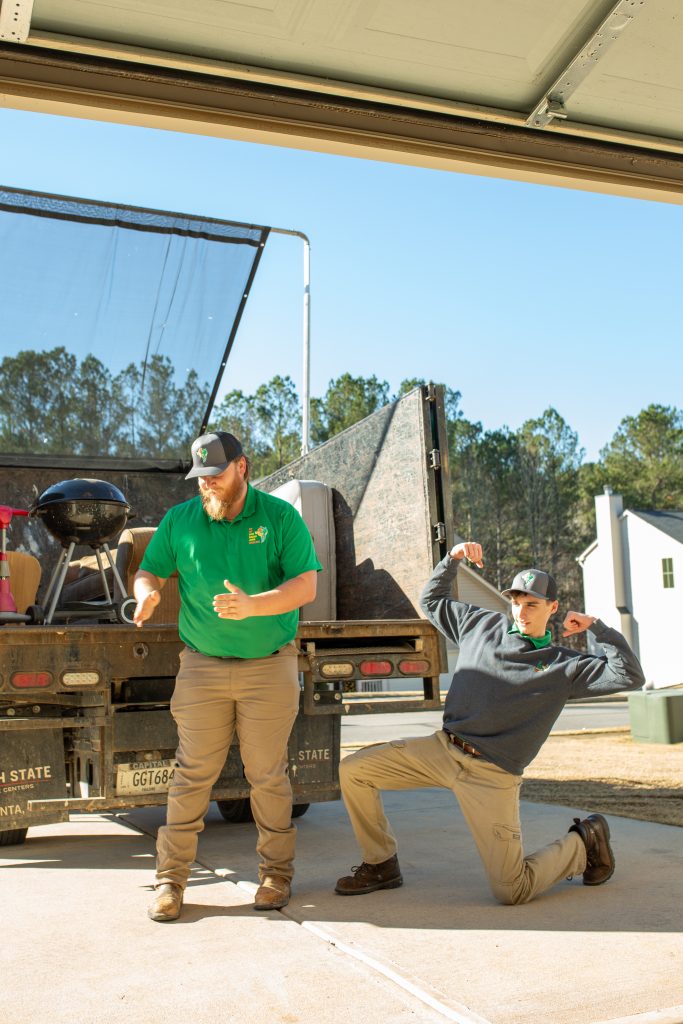
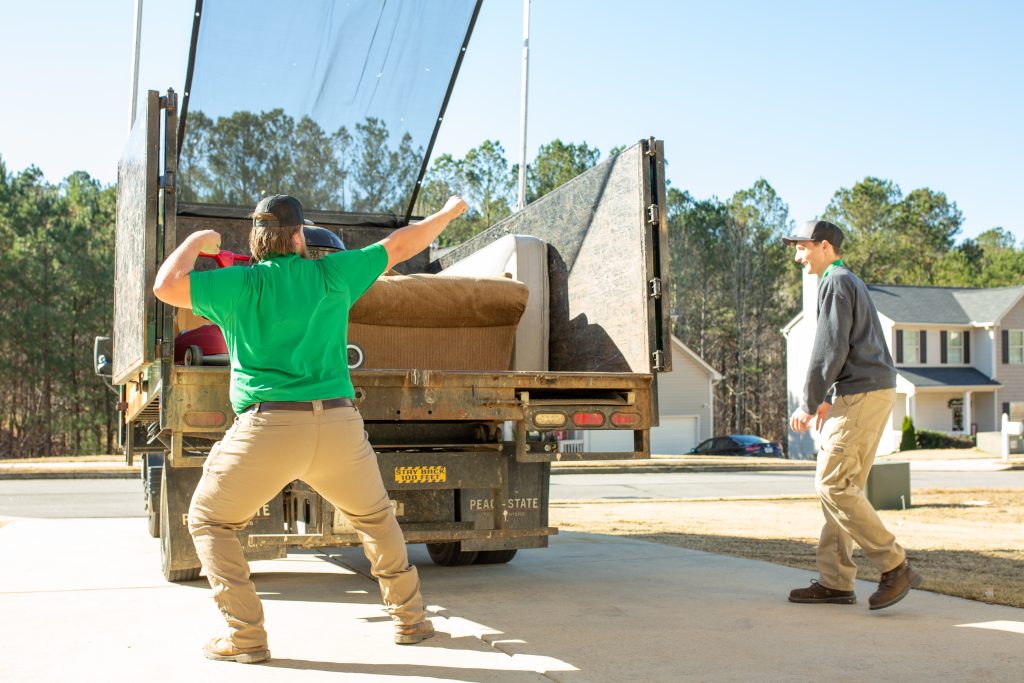
If jobsite conditions influence how efficiently crews can work, the goal isn’t perfection – it’s consistency. Keeping spaces clear, accessible, and ready for the next phase can make a noticeable difference over the life of a project.
That’s where we come in.
At the end of the day, it’s not just about removing debris – it’s about helping maintain the conditions that allow work to move the way it’s supposed to. Can we help?
Copyright © 2024-2026
| Up Up and Away Junk Hauling | Website Designed by Blue Crocus Solutions | Privacy Policy & TOS
Fill Out Your Info To Get Your Recommendation On The Best Junk Removal Service.
This will close in 0 seconds